Introduction: The Subtle Signs of Dementia
Have you ever wondered if subtle changes in your loved one's behavior might indicate something more serious? You're not alone. Dementia affects millions globally, yet many remain unaware of its early signs. Recognizing these indicators can be the key to unlocking a future of sustained wellness and mobility. Let's delve into the nuances of identifying dementia in seniors, and see how at-home Physical Therapy offers transformative support.
The Basics of Dementia: What You Need to Know
Dementia is not a specific disease but a general term for the impaired ability to remember, think, or make decisions, interfering with daily activities. While Alzheimer's is the most common form, dementia encompasses a range of conditions. Understanding the basics is crucial—early identification can lead to interventions that drastically improve quality of life.
Key Indicators of Dementia in Seniors
- Memory Loss: Forgetfulness that disrupts daily life, such as repeatedly asking the same questions.
- Difficulty Planning or Solving Problems: Challenges in following a plan or working with numbers.
- Confusion with Time or Place: Losing track of dates, seasons, and the passage of time.
- Trouble Understanding Visual Images: Difficulties with reading, judging distance, or determining color or contrast.
- Problems with Words: Trouble following or joining a conversation, or finding the right words.
- Misplacing Things: Placing items in unusual places and being unable to retrace steps.
- Poor Judgment: Struggling with decision-making, often leading to financial missteps.
- Withdrawal from Work or Social Activities: Apathy or isolation from hobbies or social engagements.
- Changes in Mood and Personality: Experiences of confusion, suspicion, depression, fear, or anxiety.
Actionable Advice: Steps to Take When You Suspect Dementia
Basic Steps
Begin by keeping a journal of behaviors that concern you. Monitor changes over time to identify patterns. This documentation will be invaluable during medical consultations.
Intermediate Steps
Engage with healthcare professionals. Schedule a comprehensive evaluation with a neurologist or geriatrician. Early diagnosis allows for proactive planning and intervention, maximizing quality of life.
Advanced Steps
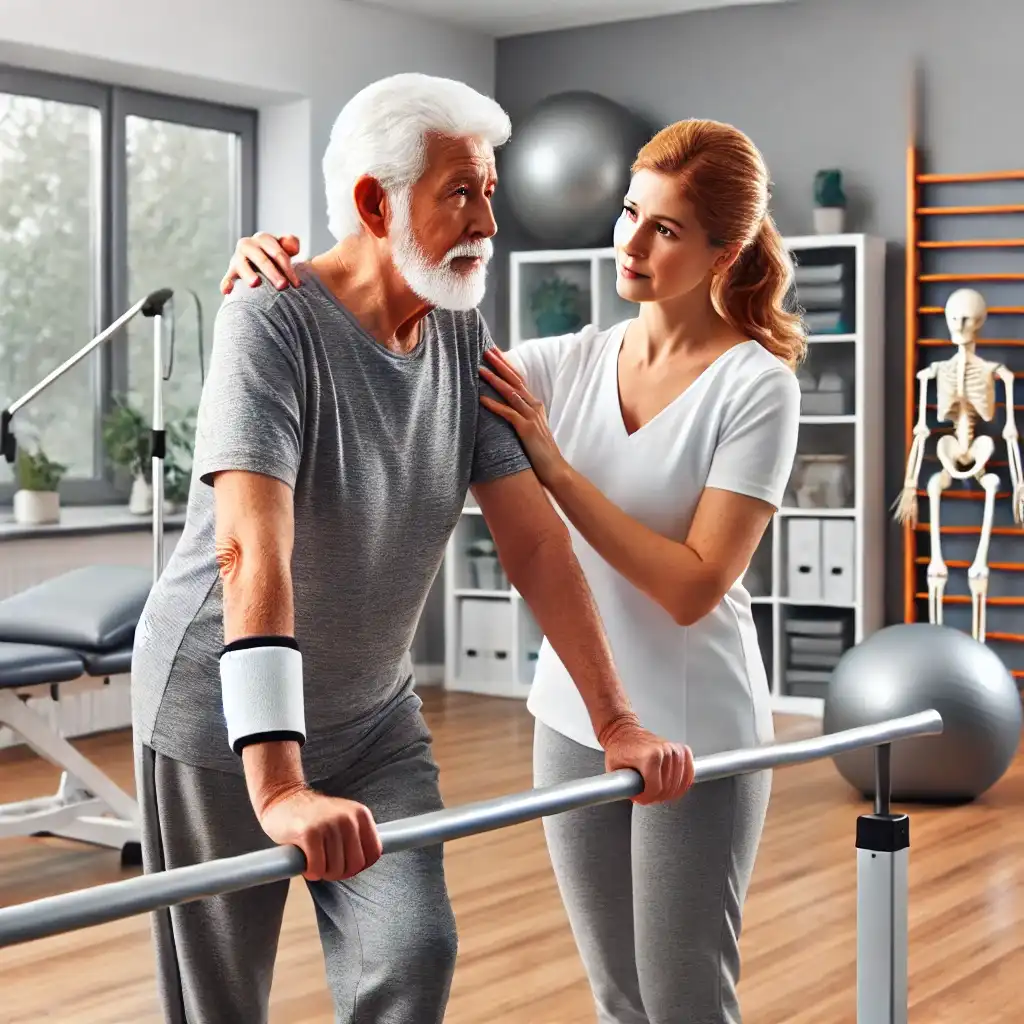
Consider integrating at-home Physical Therapy into daily routines. Physical Therapy can enhance mobility and cognitive function, offering a holistic approach to dementia care. "Be On The Move" in Palm Beach County specializes in personalized therapies that align with seniors' unique needs.
Applications: Real-World Impact of Early Identification
Understanding the emotional journey of dementia can be daunting, yet it's essential. Recognizing symptoms early means families can make informed decisions, fostering environments that prioritize safety and happiness. Imagine the relief of re-establishing connections and rekindling joy through tailored activities and support.
The Emotional and Social Benefits of At-Home Physical Therapy
At-home Physical Therapy doesn't just focus on physical health—it's a gateway to emotional and social well-being. Regular sessions help seniors remain active, reducing feelings of isolation. The familiar home environment also encourages a sense of security and contentment, vital for those with dementia.
Transforming Lives: The Power of Consistent Practice
Consistency is transformative. Regular Physical Therapy can slow the progression of dementia-related symptoms, helping seniors maintain independence longer. This consistent practice not only improves mobility but enhances cognitive functions, fostering a more engaged and fulfilling life.
Conclusion: Take the First Step Towards a Brighter Tomorrow
Dementia doesn't have to define the journey of aging. With early identification and the right support, seniors can continue to thrive. At-home Physical Therapy offers a personalized, empathetic approach that respects individual pace and preferences.
Ready to explore more about how at-home Physical Therapy can make a difference? Reach out to us at "Be On The Move". Let's take the first step together toward a brighter, more mobile future. contact us today!
See you soon,
//❤️ Trudy//
The information provided in this article is intended for general educational and informational purposes only. It is not a substitute for professional medical advice, diagnosis, or treatment. Always seek the advice of your physician or other qualified health provider with any questions you may have regarding a medical condition or before starting any new exercise program. If you experience any pain or difficulty with exercises or advice mentioned in this article, stop immediately and consult your healthcare provider. Be On The Move and its representatives do not assume any responsibility for any aspect of healthcare administered with the aid of information provided herein.